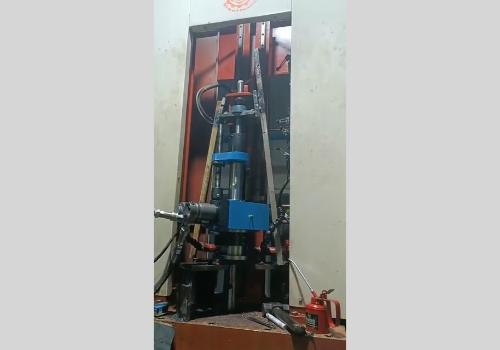
In-situ Line Boring
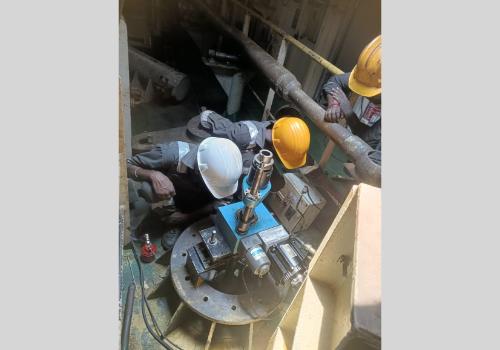
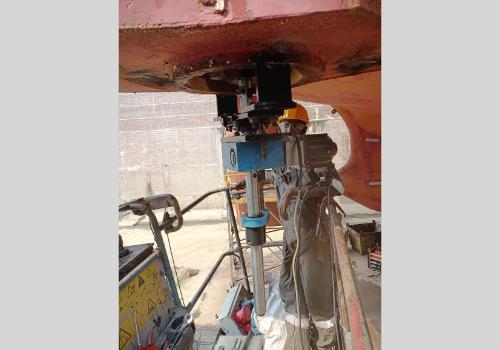
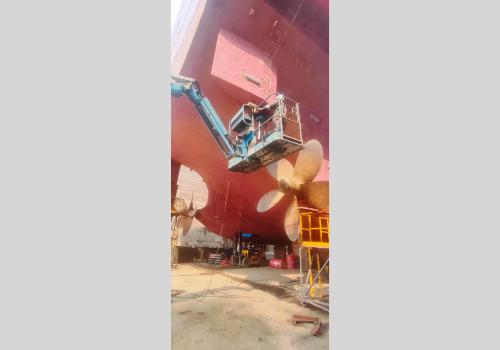
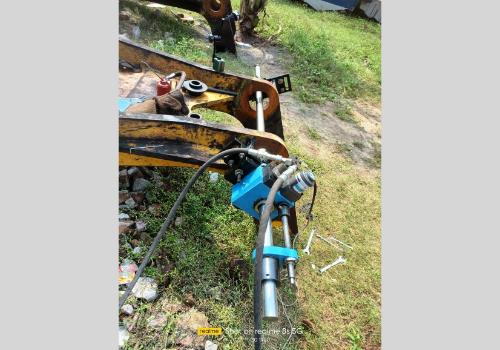
In-situ line boring offers a practical and efficient solution for a variety of industrial applications, specifically for holes ranging from 1 inch to 36 inches in diameter and between 60 inches and 12 feet in depth. This technique is primarily utilized for onsite boring and spot facing operations. With modern, compact machines designed for versatility, professionals can effectively address issues related to gas-cut or weld-built bores, whether dealing with new equipment or repairing worn-out components.
Operations Capable
In-situ line boring encompasses several crucial operations essential to the integrity and functionality of industrial machinery. Below are the key operations that can be effectively performed :
Line Boring
Line boring plays a pivotal role in restoring and maintaining machinery accuracy. It involves the machining of a bore that directly aligns with existing axis specifications. This technique ensures precision and can significantly improve the functionality of machinery components, reducing downtime and maintaining operational efficiency.
Spot Facing
Spot facing involves creating a flat surface at the end of a bore. This operation is essential for ensuring proper seating for bolts or other fasteners. It is crucial when dealing with uneven surfaces or existing bushing installations and guarantees that connections are both secure and reliable.
Taper Boring
Taper boring is utilized for situations where a slight draft is necessary for ease of assembly or disassembly. Implementing taper boring techniques allows for easier alignment of components and can enhance the overall efficiency of mechanical assemblies, providing a practical solution to complex fitting challenges.
Chamfering
Chamfering edges of machined components helps reduce sharp corners, which can be prone to damage during assembly or operation. This operation not only serves functional purposes in preventing part damage but also contributes to aesthetics and safety in machinery operation.
Capacity
The extensive line boring capabilities extend across various standard models, accommodating a range of diameters to meet specific requirements.
The models include :
- 50 mm to 300 mm
- 70 mm to 300 mm
- 70 mm to 500 mm
- 200 mm to 650 mm
- 400 mm to 1100 mm
Note : Machine capacity can be designed and customized as per requirements too.